CASTECHBOND PVA
Multi-Purpose Adhesive & Bonding Agent
CASTECH Bond PVA is a general purpose bonding agent based on polyvinyl acetate polymer emulsion, and an additive for mortar.
Overview
About
CASTECH Bond PVA is a general purpose bonding agent based on polyvinyl acetate polymer emulsion, and an additive for mortar.
Typical uses
- Bonding agent for cement screeds, renders, plasters and concrete repair mortar
- Adhesive for a wide range of substrates including concrete, masonry, brick, glass, terrazzo and wood
- Bonding agent for granolithic toppings to sub-concrete
- Additive for cementitious mortars, tiles and screeds
- Surface sealer for concrete and floors
Standards
ASTM C 1059 Type 1, BS 5270-1.
Benefits
Advantages
Key advantages
- Excellent bonding to concrete, masonry, brick, plaster and wood
- Increases tensile and flexural strength of screed and mortar
- Enhanced corrosion protection
- Excellent water resistance
- Suitable for internal and external application in conjunction with cement
- Environment friendly, non-toxic and chloride free
Technical data
| Appearance | Milky White Liquid |
|---|---|
| Specific Gravity (ASTM D 1475) | 1.02 ± 0.02 |
| Compressive Strength (ASTM C 109) | 10 – 15% increase over control |
| Flexural Strength (BS 6319-3) | 5 – 10% increase over control |
| Tensile Strength (BS 6319-7) | 5 – 10% increase over control |
| Tensile Bond Strength (ASTM C 932) | > 1.0 N/mm² at 28 days |
Typical values. Refer to the TDS for full details and test conditions.
Application
Surface preparation
The surface should be clean, free from standing water and all contaminants such as oil, grease, laitance, paint and corrosion. Any contamination should be removed by mechanical means to produce a sound substrate. Wash the surface with clean water and remove all dust. Concrete surfaces should be thoroughly soaked prior to application to ensure a saturated surface dry condition.
Mixing
As a bonding agent: CASTECH Bond PVA can be used directly on most construction substrates. Alternatively, mix with clean water and cement in the ratio 1:1:1 by weight to make a bonding slurry coat. Stir CASTECH Bond PVA well and apply by brush, roller or spray, spreading evenly over the entire surface. Place the material to be bonded while CASTECH Bond PVA is still tacky. As a mortar additive: mix CASTECH Bond PVA with water in 1:1 proportion and add to the cement mortar to obtain a smooth consistency.
Application
As a general adhesive: bonds concrete, bricks, plaster board, carpets, stone tiles, wood, polystyrene, etc. Apply a thin coat of CASTECH Bond PVA to both faces, allow to become tacky, bring the surfaces together and position as required. Wipe off excess material and allow to set for 24 hours. As a bonding agent for screeds and plaster: apply a sealer coat of 1 part CASTECH Bond PVA to 3 parts clean water and allow to dry. Then apply a bonding coat of CASTECH Bond PVA and place screeds or plaster while it is still tacky. As a concrete repair mortar: prime the surface with CASTECH Bond PVA and allow to become tacky. Prepare a 1:2 cement/sand mix gauged with 1 part CASTECH Bond PVA mixed with 3 parts clean water, and apply to the primed, tacky surface. As an additive for tile bedding mortar: pre-wet the concrete surface. Prepare bedding mortar using cement and fine sand gauged with 1 part CASTECH Bond PVA mixed with 1 part water, and use as an adhesive bedding mortar to fix the tiles.
Coverage
As a neat bonding agent: 4 – 5 m²/litre/coat (without dilution). As a primer coat: 6 – 7 m²/litre/coat (diluted 1:1 with water).
Packaging & storage
Packaging
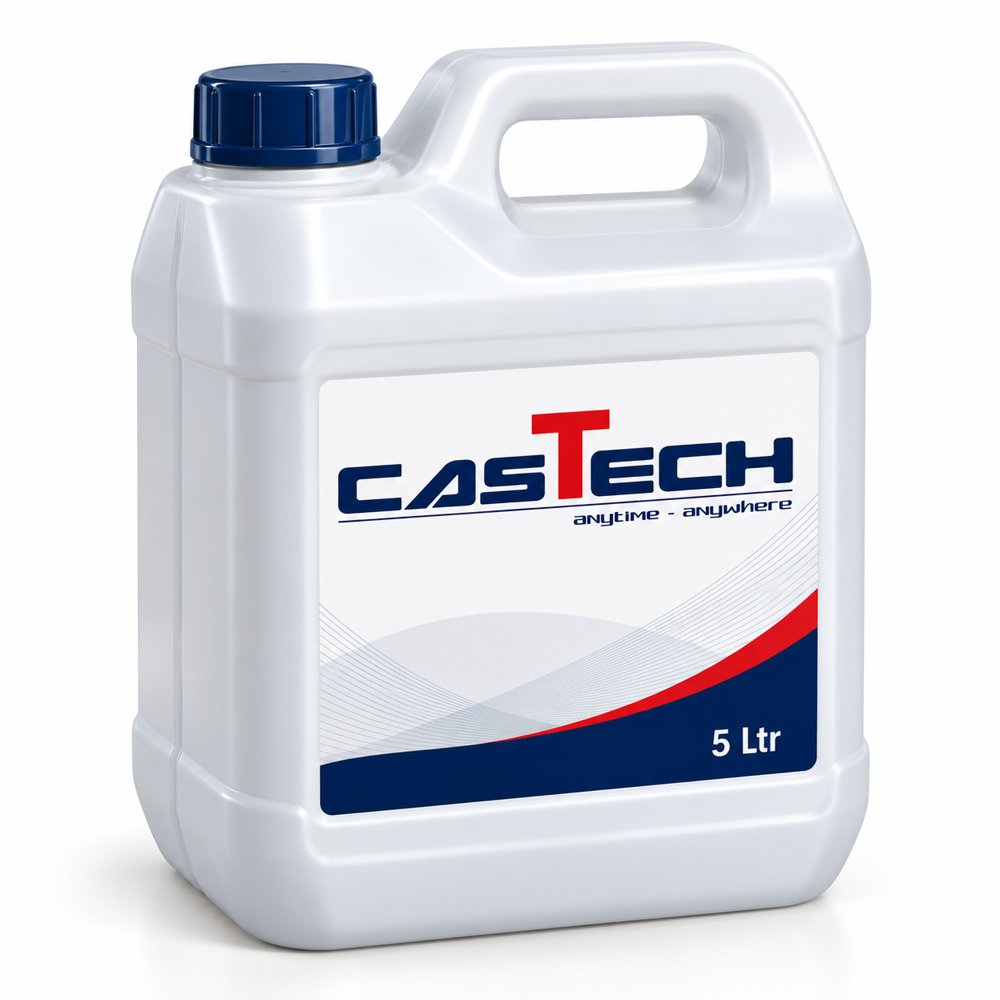
5 litre, 20 litre and 200 litre containers.
Storage & shelf life
12 months from date of manufacture when stored under warehouse conditions in original unopened packing. Extreme temperature/humidity may reduce shelf life.
Health & safety
PPE: Suitable protective goggles, gloves and mask must be worn. Precautions: In case of contact with eyes, rinse immediately with plenty of water; in case of contact with skin, wash off immediately with soap and water. If swallowed, seek medical attention immediately. Hazard: Regarded as non-hazardous for transportation. Disposal: Do not reuse containers. Dispose of as per local rules and regulations. Additional information: Refer to MSDS (available on request).